Wondering when to worry about foundation cracks in your Chicago home? Foundation cracks are common due to soil movement, weather changes, and settling, but not all cracks indicate serious structural issues.
Recognizing which cracks signal potential water damage, uneven settling, or risk of further foundation failure is crucial for protecting your property investment. Local foundation contractors in Chicago often evaluate the size, direction, and location of cracks to determine if immediate repair is necessary.
Homeowners should be aware that ignoring significant foundation cracks can lead to costly repairs and safety hazards. Understanding the differences between harmless surface cracks and those indicating structural instability helps in making informed decisions about inspections and remediation.
Quick Takeaways
- Foundation cracks wider than 1/4 inch often indicate significant structural issues requiring professional evaluation.
- Horizontal or stair-step cracks in Chicago foundations may signal soil pressure or shifting, posing serious risks.
- Water intrusion through cracks can cause mold growth and water damage, exacerbating problems.
- New cracks appearing rapidly or growing over a few months suggest ongoing foundation movement needing prompt attention.
- Minor hairline cracks in concrete are often normal shrinkage, but monitoring for changes is essential.
Identifying Different Types of Foundation Cracks and Their Causes
Foundation cracks in Chicago homes vary widely in appearance and origin, making it essential to distinguish their types for proper assessment. Common crack types include hairline cracks, which are typically thin and superficial, often caused by shrinkage during the curing of concrete or minor settling.
These cracks usually pose minimal structural risk but should still be monitored for changes.
Vertical and diagonal cracks often suggest differential soil movement, a frequent issue in Chicago due to expansive clay soils.
Vertical cracks that are less than a quarter-inch wide may result from normal settling, whereas wider or diagonal cracks can indicate uneven pressure on the foundation walls, potentially leading to structural issues.
Horizontal cracks are generally more concerning, as they often signal significant lateral pressure from saturated soil or frost heave common in Chicago’s seasonal climate. These cracks can compromise the integrity of foundation walls and increase the risk of water damage if left unaddressed.
Common Causes of Foundation Cracks in Chicago Homes
- Soil movement: Expansive clay soils in Chicago expand and contract with moisture changes, exerting pressure on foundations.
- Concrete shrinkage: As concrete cures, it naturally shrinks, sometimes causing minor surface cracks.
- Settlement: Uneven settling of soil beneath the foundation can create stress points leading to vertical or diagonal cracks.
- Hydrostatic pressure: Excess water accumulation around the foundation increases lateral forces, often causing horizontal cracking.
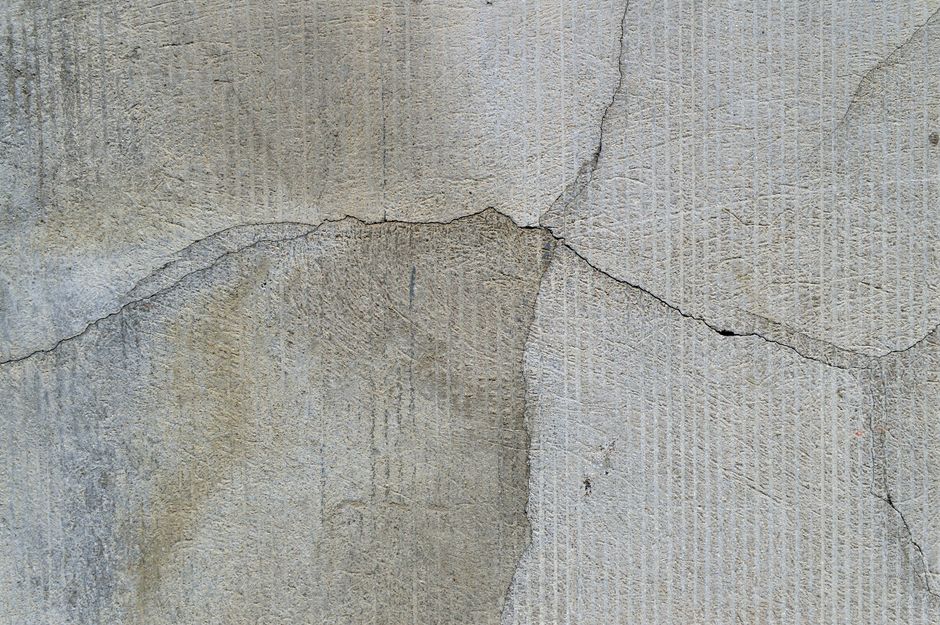
Signs That Indicate a Foundation Crack Requires Immediate Attention
Foundation crack size is a critical factor that typically signals when professional evaluation is necessary. Cracks wider than 1/4 inch or those that are growing rapidly often indicate underlying structural damage or significant soil movement beneath the foundation.
Homeowners in Chicago should be particularly vigilant with vertical diagonal cracks exceeding this threshold, as they may compromise the integrity of foundation walls.
Water intrusion through cracks is another urgent warning sign. Persistent moisture or visible water seepage can accelerate mold growth and water damage, weakening the foundation and interior structures. Signs such as dampness on basement walls, efflorescence, or musty odors often accompany cracks that allow water to penetrate.
Additional Warning Signs to Monitor
- Cracks accompanied by uneven settling, such as sloping floors or misaligned doors and windows, suggest active movement and potential foundation instability.
- Horizontal cracks in foundation walls often indicate pressure from expansive clay soils common in Chicago, which can lead to serious structural issues.
- Cracks that appear suddenly after heavy rainfall or freezing temperatures may signal rapid soil expansion or contraction affecting the foundation.
- Multiple interconnected cracks, especially if they form a pattern like stair-step cracks in masonry walls, should prompt immediate assessment.
Homeowners noticing these signs in Chicago homes with clay soils should consider consulting with foundation specialists promptly. Early intervention can prevent extensive foundation damage and costly repairs down the line.
How Chicago’s Climate and Soil Conditions Affect Foundation Crack Risks
Chicago’s climate plays a significant role in the development and progression of foundation cracks. The region experiences frequent freeze-thaw cycles during the fall, winter, and spring months. These cycles cause soil to expand and contract repeatedly, exerting pressure on foundation walls and contributing to uneven settling.
Over time, this stress can worsen existing cracks or create new ones, increasing the risk of serious structural issues.
Clay soil, which is prevalent in many parts of Chicago, further complicates foundation stability. This type of soil is known for its expansive properties—it swells when wet and shrinks during dry periods. Such fluctuations lead to soil movement that directly affects the foundation’s integrity.
Homeowners with expansive clay beneath their properties often face more frequent and severe settling cracks, making regular inspection critical.
Key Impacts of Chicago’s Climate and Soil on Foundations
- Freeze-thaw cycles cause repetitive stress on foundation materials, accelerating crack growth.
- Clay soil expansion and contraction lead to shifting loads on foundation walls, increasing crack risk.
- Seasonal moisture variations influence soil stability, affecting how foundations settle or shift.
- Water infiltration from improper drainage combined with freeze-thaw action can exacerbate water damage and mold growth risks.
When to Worry About a Foundation Crack: Cost and Timeline Overview in Chicago, IL
| Service Type | Cost Range | Typical Timeline |
|---|---|---|
| Foundation Crack Inspection | $200 - $600 | 1 - 2 days |
| Epoxy or Polyurethane Crack Injection | $500 - $2,500 | 1 - 3 days |
| Underpinning with Steel Piers | $3,000 - $15,000 | 3 - 7 days |
| Slabjacking (Mudjacking) | $500 - $3,000 | 1 - 3 days |
| Waterproofing and Drainage Repair | $1,000 - $10,000 | 3 - 10 days |
Frequently Asked Questions
What size crack in a foundation wall should cause concern?
Homeowners should pay close attention to foundation cracks wider than 1/4 inch, as these often indicate serious structural issues. Diagonal cracks or those accompanied by water damage typically require professional evaluation to prevent further mold growth and uneven settling.
Can small cracks in foundation walls be ignored?
Small hairline cracks are common in many Chicago homes due to soil movement and normal settling. However, even minor cracks can expand over time, increasing the risk of water damage and structural issues. Regular monitoring and early assessment by local contractors can help mitigate potential problems.
How does water infiltration affect foundation cracks?
Water damage worsens foundation cracks by eroding soil and promoting mold growth. In areas with expansive clay soils, moisture fluctuations can exacerbate soil movement, causing cracks to widen and threaten the integrity of foundation walls. Timely intervention is crucial to avoid costly repairs.
Are vertical cracks less serious than diagonal cracks?
Vertical cracks often result from normal settling and may pose less immediate risk than diagonal cracks, which usually signal uneven movement. Nonetheless, both types can lead to structural issues if left unaddressed, especially in clay soils common in Chicago. Professional inspection helps determine the severity.
When should Chicago homeowners seek professional help for foundation cracks?
Chicago homeowners should seek professional evaluation when cracks appear alongside signs like water intrusion, doors or windows sticking, or noticeable uneven settling. Early diagnosis by local experts can prevent escalation of serious structural issues and reduce risks of mold growth.
Recognizing when foundation cracks in Chicago homes require professional attention is crucial to prevent serious structural damage and costly repairs. Homeowners should remain vigilant for signs of uneven settling, water damage, and mold growth, especially given the challenges posed by clay soils and seasonal shifts.
Timely intervention by local experts can help address issues before they escalate.
Get matched with vetted Foundation Repair in Chicago, IL via our form to connect with trusted contractors offering inspections and repair estimates tailored to your property’s needs.