
Wet basement Chicago homeowners face often results from the city's unique soil types and frequent rainfall. For bungalows and two-flats, persistent water intrusion can lead to mold growth, structural damage, and costly repairs.
Local contractors specializing in wet basement solutions typically address issues like hydrostatic pressure, foundation cracks, and inadequate drainage systems. Understanding common causes such as poor grading and outdated waterproofing methods helps homeowners anticipate necessary repairs.
Professional companies in Chicago usually recommend a combination of exterior excavation, interior drainage systems, and sump pump installation to mitigate water damage risks. Homeowners looking for effective wet basement Chicago solutions should expect tailored approaches that consider the city's climate and building styles.
Why It Matters in Chicago, IL
Wet basement solutions are critical for Chicago bungalows and two-flats due to the city's clay soil composition and frequent heavy rainfall. These conditions increase the risk of water damage, foundation settlement, and mold growth in basements.
Proper drainage systems and waterproofing methods help protect these iconic homes from costly structural issues and health hazards.
Homeowners seeking effective wet basement repairs in Chicago should prioritize tailored solutions that address the unique challenges posed by local soil and weather patterns to safeguard their property value and indoor air quality.
Common Causes of Wet Basements in Chicago Bungalows and Two-Flats
Basement moisture in Chicago bungalows and two-flats often stems from a combination of unique factors related to the city's soil conditions and building styles. The prevalent clay-rich soils in Chicago tend to retain water, increasing hydrostatic pressure against foundation walls.
This can lead to seepage through cracks or porous materials, resulting in persistent water damage and elevated mold growth risks.
Older bungalows and two-flats may have foundations that lack modern waterproofing methods, making them more vulnerable to moisture intrusion. Additionally, the typical construction of these homes includes shallow footings, which can exacerbate problems when combined with fluctuating groundwater levels during seasonal rains or snowmelt.
Key Factors Contributing to Basement Moisture in Chicago Homes
- Poor exterior drainage: Inadequate grading or clogged gutters can direct rainwater toward the foundation, increasing the chance of wet basements.
- Soil expansion and contraction: Chicago's expansive clay soils shift with moisture changes, causing foundation cracks that allow water infiltration.
- High water table: Seasonal rises in groundwater pressure can force moisture through basement walls and floors.
- Lack of effective waterproofing: Many older homes lack modern waterproofing methods, making them susceptible to leaks and dampness.
Understanding these specific causes is essential for homeowners looking for tailored basement solutions. Local contractors familiar with Chicago soil types and typical bungalow or two-flat construction can recommend appropriate interventions to mitigate ongoing water damage and prevent mold growth.

Effective Waterproofing Techniques for Chicago Bungalow and Two-Flat Basements
Professional companies in Chicago typically recommend a combination of waterproofing strategies tailored to the unique foundation and soil conditions of bungalows and two-flats. These structures often require a multifaceted approach to combat persistent water damage and prevent mold growth in basements.
Exterior waterproofing is a common technique involving excavation around the foundation walls to apply waterproof membranes or coatings. This method addresses hydrostatic pressure by creating a barrier that prevents water infiltration directly at the source.
Additionally, installing or upgrading foundation drainage systems, such as perimeter drains or French drains, helps redirect water away from the basement, mitigating the risk of seepage through cracks or porous concrete.
Interior waterproofing solutions are often employed when exterior access is limited or as supplemental measures. These include applying specialized interior sealants that penetrate masonry surfaces to block moisture and installing interior drainage channels that capture and divert water to sump pumps.
Homeowners looking for effective wet basement solutions should expect contractors to assess the specific building style and soil type before recommending a tailored waterproofing plan that balances both exterior and interior methods.
Common Waterproofing Methods for Chicago Bungalow and Two-Flat Basements
- Exterior membrane application: Installing waterproof coatings on foundation walls after excavation
- Foundation drainage installation: Placing perforated pipes with gravel beds to channel water away
- Interior sealants: Using moisture-resistant coatings on basement walls and floors
- Interior drainage systems: Setting up channels and sump pumps to manage water intrusion internally
Pro Tip
Homeowners looking to address wet basement issues in Chicago bungalows and two-flats should consider the impact of soil types and hydrostatic pressure on foundation walls. Incorporating both interior drainage and exterior waterproofing techniques often yields the most reliable basement solutions.
Consulting with local contractors familiar with Chicago's unique water intrusion challenges can ensure tailored approaches that minimize mold growth and prevent ongoing water damage.
How to Choose the Right Basement Drainage System for Your Chicago Home
Choosing an effective drainage system is critical for basement water control in Chicago homes, especially for bungalows and two-flats with unique foundation challenges. Local contractors often evaluate factors such as soil types, hydrostatic pressure, and existing water intrusion patterns before recommending a solution.
One common option is the interior drainage system, which involves installing a perimeter drain beneath the basement floor that directs water to a sump pump. This setup effectively manages persistent water issues by collecting and expelling moisture before it causes water damage or mold growth.
However, homeowners should consider the need for regular sump pump maintenance and potential power outages that could affect its operation.
Exterior drains, such as French drains or surface drains, work by intercepting water before it reaches the foundation walls. These systems are often preferred for their ability to reduce hydrostatic pressure and limit water intrusion at the source.
Yet, installation can be more disruptive and costly due to excavation requirements, especially in dense urban neighborhoods.
Key Considerations for Selecting a Drainage System
- Soil and Site Conditions: Clay soils common in Chicago increase water retention, influencing system choice.
- Basement Layout: Accessibility and existing structures affect installation feasibility.
- Maintenance Requirements: Systems vary in upkeep demands, impacting long-term performance.
- Cost vs. Effectiveness: Balancing upfront investment with potential water damage prevention is essential.
Homeowners looking for basement drainage solutions should consult with local contractors experienced in Chicago's specific conditions to identify the most appropriate system. Using a can connect homeowners with vetted professionals who understand how to mitigate moisture problems in bungalows and two-flats effectively.
Preventative Maintenance Tips to Keep Chicago Bungalow and Two-Flat Basements Dry
Homeowners looking to minimize basement moisture and water intrusion in Chicago bungalows and two-flats should prioritize regular maintenance. Proper upkeep of exterior elements like gutters and grading can significantly reduce the risk of persistent water problems.
In Chicago’s varied soil types, ensuring that water is directed away from the foundation walls is crucial for effective basement moisture prevention.
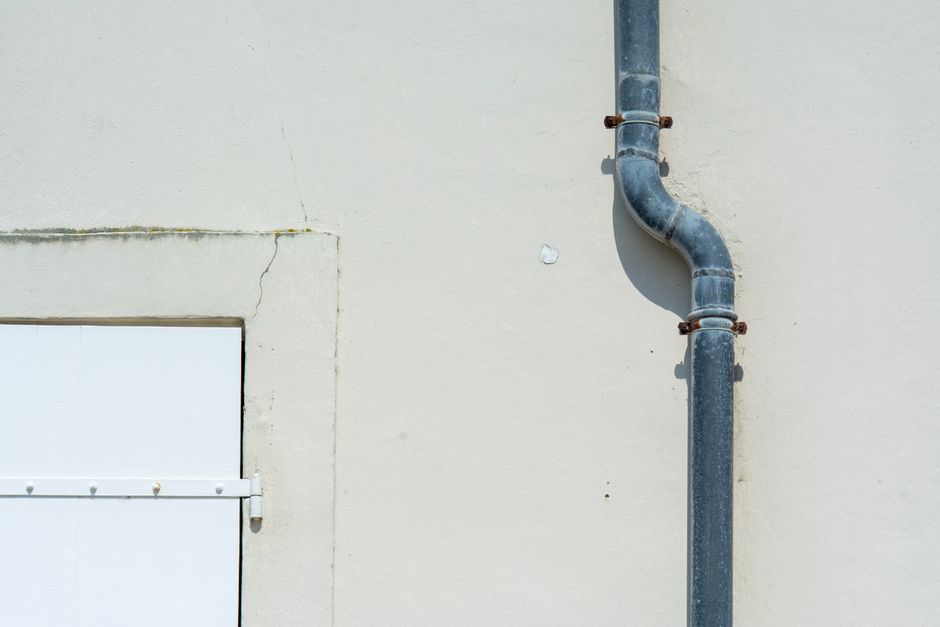
Routine inspection and cleaning of gutters and downspouts help prevent clogging, which can cause overflow near the foundation. Local contractors often recommend verifying that downspouts extend at least 5 feet from the foundation to channel water away efficiently.
Additionally, grading around the home should slope downward at a minimum rate of 6 inches over the first 10 feet to promote proper drainage and reduce hydrostatic pressure on basement walls.
Key Preventative Maintenance Practices
- Inspect gutters and downspouts seasonally to remove debris and ensure clear water flow.
- Maintain proper grading by filling low spots near foundation walls and confirming the soil slopes away from the home.
- Seal cracks and openings in foundation walls or around window wells to prevent water intrusion.
- Check sump pump functionality regularly, especially before rainy seasons, to ensure it can handle excess water.
- Trim vegetation near the foundation to avoid root damage that can affect waterproofing integrity.
By following these preventative maintenance tips, homeowners in Chicago can reduce the likelihood of recurring wet basement issues. Engaging with local contractors for periodic evaluations also supports early identification of potential problems before they escalate into costly repairs.
Wet Basement Solutions Cost Breakdown for Chicago Bungalows and Two-Flats
| Service Type | Cost Range | Typical Timeline |
|---|---|---|
| Interior Drainage System Installation | $3,000 to $8,000 | 3 to 7 days |
| Sump Pump Installation | $1,200 to $3,500 | 1 to 3 days |
| Exterior Waterproofing Membrane | $7,000 to $15,000 | 5 to 10 days |
| Foundation Crack Repair | $500 to $2,500 | 1 to 2 days |
| Basement Dehumidifier Installation | $800 to $2,000 | to 1 day |
Frequently Asked Questions
What are the most effective methods for addressing persistent wet basements in Chicago bungalows and two-flats?
Local contractors typically recommend a combination of interior drainage, sump pump installation, and foundation waterproofing to combat persistent water intrusion. These basement solutions help alleviate hydrostatic pressure and prevent water damage to foundation walls, especially in areas with challenging soil types.
How can homeowners prevent mold growth related to basement moisture?
Homeowners looking to reduce mold growth should focus on controlling basement moisture through effective drainage systems and waterproofing methods. Proper ventilation, regular inspection for leaks, and maintaining sump pumps are crucial steps to minimize the risk of mold development and associated health concerns.
Are interior drainage systems sufficient for Chicago bungalow basements?
Interior drainage systems often serve as a key component in managing basement water intrusion. However, in Chicago bungalows, professional companies usually recommend pairing these systems with exterior waterproofing and sump pumps to effectively handle hydrostatic pressure and the region’s unique soil types.
What factors influence the cost of wet basement repairs in Chicago two-flats?
The cost depends on the extent of water damage, chosen waterproofing methods, and the complexity of installing drainage systems. Local contractors estimate prices typically range between $3,000 and $15,000, reflecting variables such as foundation type, soil conditions, and required labor.
How long does it usually take to complete wet basement repairs?
Most wet basement repair projects in Chicago last between 3 to 7 days. The duration depends on the scope of work, including excavation for exterior waterproofing, installation of sump pumps, and setting up interior drainage. Homeowners looking for timely solutions should expect this general timeframe.
Addressing wet basement issues in Chicago bungalows and two-flats requires a comprehensive understanding of local soil types, hydrostatic pressure, and effective waterproofing methods.
Homeowners looking for lasting solutions should consider professional assessments to identify the root causes of basement moisture and water intrusion before selecting appropriate drainage systems or interior waterproofing.
Get matched with vetted foundation repair contractors in Chicago, IL via our to schedule a thorough wet basement inspection and receive competitive estimates tailored to your property’s needs.