
The basement waterproofing process is essential for Chicago homeowners facing persistent water intrusion and foundation damage. Frequent rainfall and fluctuating groundwater levels in this region increase the risk of mold growth, structural weakening, and costly repairs.
Understanding how professional waterproofing methods like interior drainage systems, exterior sealants, and sump pumps work can help property owners protect their investment. Effective basement waterproofing materials create barriers against moisture penetration and redirect water away from vulnerable areas.
Without proper intervention, prolonged exposure to water can lead to cracked walls, deteriorating concrete, and unhealthy living conditions. Homeowners looking for reliable solutions should expect a thorough assessment of soil conditions, foundation type, and existing damage before selecting the best combination of waterproofing techniques.
This knowledge empowers Chicago residents to make informed decisions when seeking qualified contractors for basement waterproofing projects.
Quick Takeaways
- Basement waterproofing in Chicago commonly involves exterior membranes, interior drainage systems, and sump pumps to manage water intrusion.
- Drainage materials like perforated pipes and gravel beds are essential for redirecting groundwater away from foundations.
- Sealants and coatings applied to walls prevent moisture penetration, reducing risks of mold growth and structural damage.
- Professional contractors in Chicago assess soil types, foundation condition, and water sources to customize effective waterproofing solutions.
- Maintenance of sump pumps and regular inspection of drainage systems are critical to ensure long-term basement dryness.
Identifying Basement Water Problems in Chicago Homes
Chicago homes often face unique challenges related to basement water problems due to the city’s specific soil types and rainfall patterns. The region's clay-rich soil expands and contracts with moisture changes, increasing the risk of water intrusion through foundation cracks and joints.
Additionally, Chicago’s seasonal heavy rains and snowmelt can saturate the ground, exacerbating moisture penetration issues in basements.
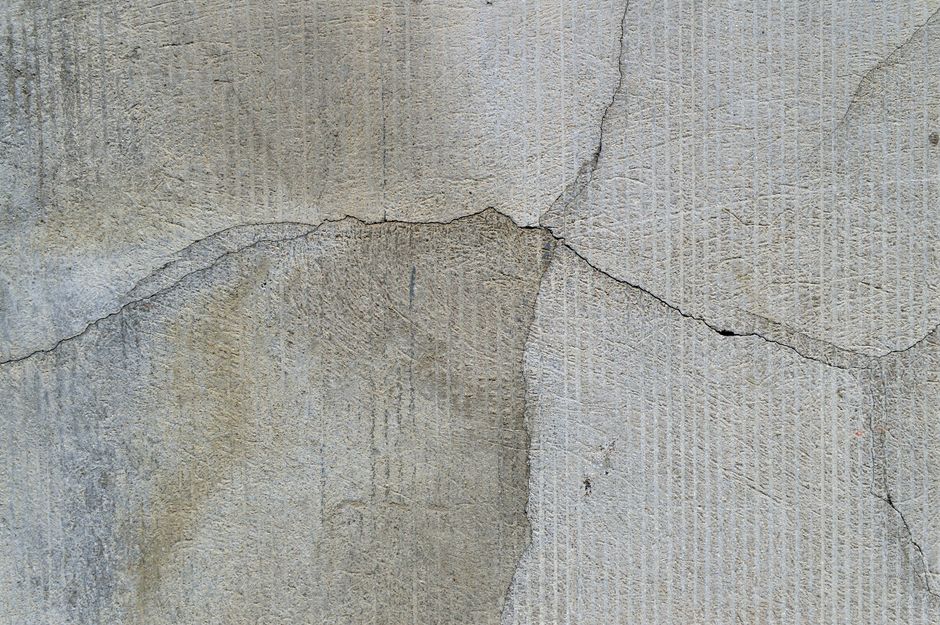
Common signs of basement water problems in Chicago include visible water stains on walls or floors, persistent dampness, and the presence of mold growth. Homeowners might also notice a musty odor or efflorescence — a white, powdery residue indicating mineral deposits from water seepage.
These symptoms suggest compromised drainage systems or ineffective barriers against groundwater pressure.
Typical Causes of Basement Water Issues in Chicago
- Soil Expansion: Clay soils exert hydrostatic pressure on foundation walls, promoting cracks that allow water entry.
- Heavy Rainfall and Snowmelt: Seasonal precipitation increases the volume of water around the foundation, overwhelming drainage.
- Poor Grading: Improper landscaping that directs water toward the house rather than away from it intensifies basement flooding risks.
- Clogged or Inefficient Drainage: Blocked gutters or damaged sump pumps can fail to redirect water effectively.
Understanding these factors is crucial for Chicago homeowners seeking effective basement waterproofing solutions. Identifying the specific causes of water intrusion helps in selecting appropriate interior drainage or exterior measures to mitigate structural growth damage and improve overall basement conditions.
Step-by-Step Basement Waterproofing Process Used by Chicago Contractors
Professional Chicago contractors typically begin the basement waterproofing process with a thorough inspection to assess the extent of water intrusion and identify vulnerable areas. This initial evaluation often includes checking for cracks in foundation walls, signs of mold growth, and evaluating existing drainage systems.
Understanding the specific soil types and water flow patterns around the property helps inform the appropriate waterproofing strategy.
Following inspection, excavation is usually necessary to expose the exterior foundation walls. Contractors carefully remove soil to allow installation of waterproof barriers, such as membranes or coatings, which act as a primary defense against moisture penetration.
Excavation also facilitates the placement of exterior drainage systems, a critical step for redirecting water away from the basement.
The next phase involves installing or upgrading drainage systems. This often includes placing perforated drainage pipes along the foundation footing, surrounded by gravel to improve water flow.
These pipes channel water toward a sump pump basin, where collected water can be efficiently pumped out, reducing hydrostatic pressure on the foundation walls.
Chicago contractors finalize the process by backfilling the excavated areas with soil designed to promote proper water runoff. Interior drainage solutions may also be incorporated, including interior drain tiles and sump pumps, to provide additional protection.
Each step is tailored to address the unique challenges posed by Chicago’s climate and soil conditions, ensuring an effective and durable waterproofing solution.
Pro Tip: Maximizing Basement Waterproofing Effectiveness
Chicago homeowners should consider that effective basement waterproofing relies on combining multiple barriers against moisture, such as exterior membranes, interior drainage systems, and sump pumps. Selecting materials compatible with local soil types and ensuring water is redirected away from foundation walls significantly reduces risks of water intrusion and mold growth.
Key Materials and Technologies in Modern Basement Waterproofing
Modern basement waterproofing in Chicago relies on a combination of advanced waterproof membranes, durable sealants, and efficient drainage technologies to create effective barriers against water intrusion. These materials are specifically chosen to withstand Chicago’s diverse soil types and harsh weather conditions, minimizing risks of moisture penetration and subsequent mold growth.
Waterproof membranes serve as a primary defense by forming a continuous, impermeable layer over foundation walls. These membranes, often made from rubberized asphalt or polyethylene, are designed to resist hydrostatic pressure and prevent basement water from seeping through porous concrete.
Complementing these membranes, specialized sealants fill cracks and gaps, reinforcing the structural integrity against water ingress.
Common Waterproofing Materials and Technologies
- Sump pumps: Essential for Chicago homes prone to groundwater accumulation, these pumps actively remove excess water from the basement, reducing the risk of flooding and water damage.
- French drains: Installed around the perimeter, these drainage systems redirect surface and subsurface water away from the foundation, alleviating hydrostatic pressure on basement walls.
- Interior drainage systems: Often paired with sump pumps, they capture water entering through walls or floors and channel it safely out of the basement.
- Sealants and coatings: Applied to both interior and exterior surfaces, these materials create flexible, waterproof barriers that accommodate minor movements in the foundation without cracking.
Homeowners looking for durable solutions should expect contractors to tailor these materials and technologies to the specific conditions of their Chicago property. This approach ensures a comprehensive defense against persistent basement water issues while promoting long-term structural growth and health.

Maintenance Tips to Ensure Long-Term Basement Waterproofing Success in Chicago
Proper maintenance is critical to preserving the effectiveness of basement waterproofing systems and preventing water intrusion in Chicago homes. Regular upkeep helps manage moisture penetration and reduces the risk of mold growth associated with basement water issues.
Seasonal maintenance plays a vital role in sustaining waterproofing barriers. Chicago homeowners should focus on thorough gutter cleaning during spring and fall to ensure that rainwater and melting snow are directed away from the foundation walls.
Clogged gutters often lead to overflowing water pooling near the house, increasing hydrostatic pressure against basement walls.
Key Maintenance Practices for Basement Waterproofing Longevity
- Inspect foundation walls annually for cracks or signs of water seepage that may compromise waterproofing integrity.
- Maintain grading around the home to slope soil away from foundation walls, facilitating proper drainage systems.
- Check sump pumps regularly to confirm they are operational and capable of removing water efficiently during heavy precipitation events.
- Clear debris from interior drainage channels and ensure that any installed membranes remain intact without tears or punctures.
By adhering to these maintenance tips, Chicago homeowners can extend the life of their basement waterproofing investments, minimize costly repairs, and uphold a dry, healthy basement environment despite the region’s challenging soil types and climate conditions.
Basement Waterproofing Cost and Timeline Breakdown in Chicago, IL
| Service Type | Cost Range | Typical Timeline |
|---|---|---|
| Exterior Waterproofing | $8,000 to $15,000 | 3 to 7 days |
| Interior Drainage Systems | $4,000 to $9,000 | 2 to 5 days |
| Sump Pump Installation | $1,200 to $3,500 | 1 to 2 days |
| Foundation Crack Repair | $500 to $2,500 | 1 to 3 days |
| Basement Vapor Barriers | $1,000 to $4,000 | 1 to 3 days |
Frequently Asked Questions
What are the main steps involved in basement waterproofing?
Basement waterproofing typically involves installing drainage systems, applying waterproof membranes to foundation walls, and setting up sump pumps to redirect water away. Contractors also address hydrostatic pressure by creating barriers against moisture penetration, ensuring effective protection from water intrusion.
Which materials are most effective for basement waterproofing in Chicago?
Chicago basement waterproofing often relies on high-quality waterproof membranes, interior drainage products, and durable sump pumps. These materials form a comprehensive system that guards against moisture penetration and mold growth, while accommodating the region’s diverse soil types and hydrostatic pressure.
How does hydrostatic pressure affect basement waterproofing?
Hydrostatic pressure pushes groundwater against foundation walls, increasing the risk of water intrusion. Effective basement waterproofing systems in Chicago address this by installing drainage systems that relieve pressure and redirect water away, preventing damage and reducing the likelihood of mold growth.
Can basement waterproofing completely prevent mold growth?
While basement waterproofing significantly reduces the risk of mold growth by controlling moisture penetration, it cannot guarantee complete prevention. Proper installation of waterproof membranes, functioning sump pumps, and regular maintenance are critical to minimizing conditions that foster mold in Chicago basements.
How long does the basement waterproofing installation usually take?
The installation of basement waterproofing systems generally takes between 2 to 7 days, depending on the extent of water issues and the complexity of the drainage systems. Chicago contractors plan accordingly to ensure proper application of barriers against moisture and effective protection of the foundation walls.
Understanding the basement waterproofing process and key materials helps Chicago homeowners make informed decisions to protect their properties from water intrusion and mold growth. Effective systems combine drainage solutions, waterproof membranes, and proper management of hydrostatic pressure to keep moisture penetration at bay.
Homeowners seeking reliable protection against basement water issues should contact local Chicago waterproofing experts for tailored solutions and accurate pricing. Get matched with vetted Foundation Repair in Chicago, IL via our -matching form to start the process with trusted professionals.